The Proposal Is a Team Sport. Treat It Like One.
About This Series: BD, Proposals, and Building the Function That Wins - Post 10 of 11
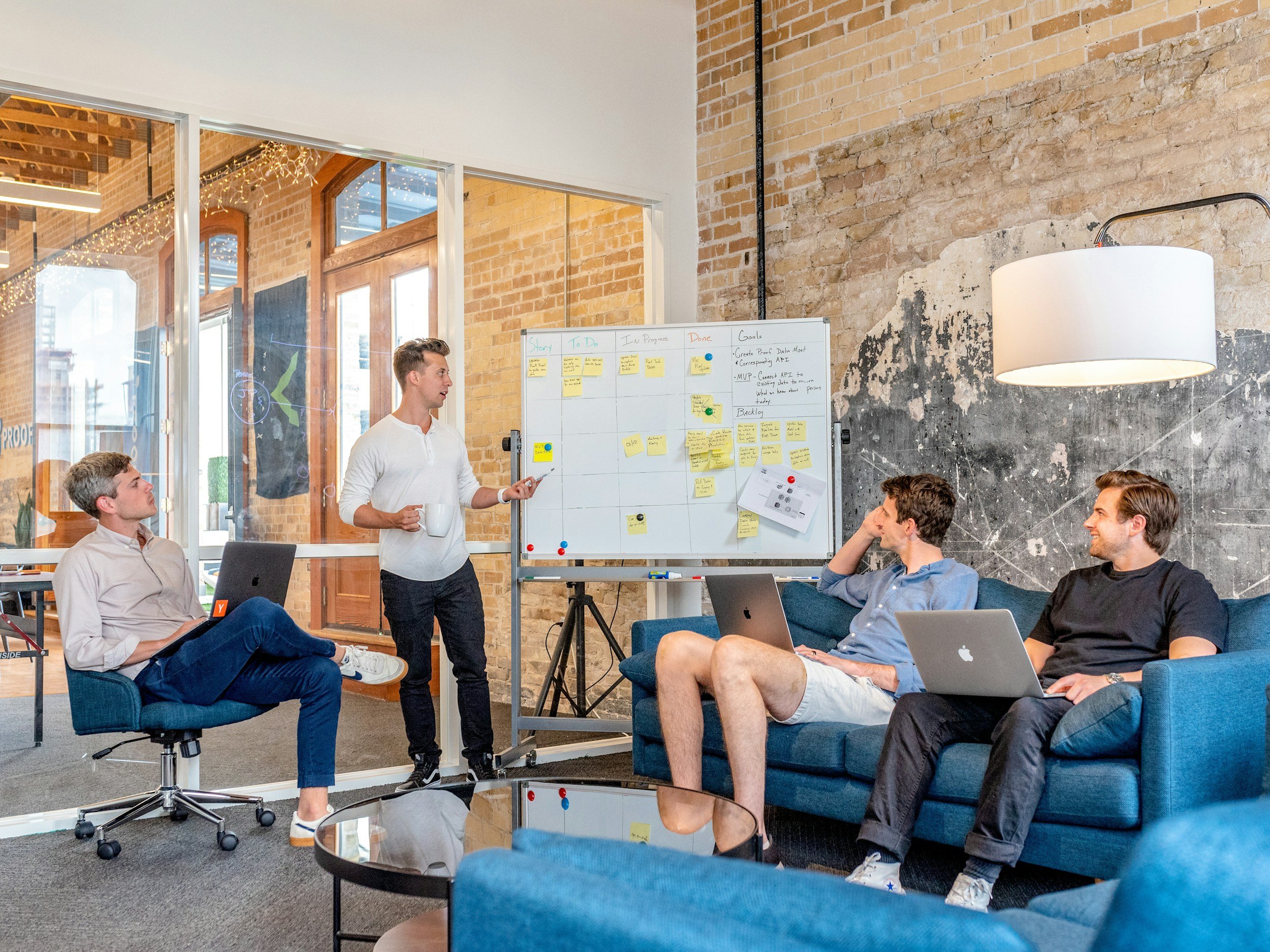
There is a production model for proposals that most AEC firms know well. Roles are divided early. Marketing manages the schedule and coordinates the parts. The architect writes the design narrative. The structural engineer writes the structural narrative. The MEP team contributes their section. The subconsultants send their boilerplate. The proposal lead assembles it into a document and applies consistent formatting.
The output is technically complete. It is rarely strategically coherent.
What it lacks is a through-line: a single, clear argument for why this team is the right answer to this client's specific problem, sustained from the opening of the executive summary through the final page of the appendix. That argument cannot be assembled from independent contributions. It has to be built collaboratively, before any writing begins.
Ernest Burden's emphasis on multi-disciplinary collaboration in pursuit development was grounded in a practical observation: the client is not hiring a role. They are hiring a team. The proposal should demonstrate that the team thinks together, not that individuals within the team are qualified independently. A proposal that reads like a collection of competent sections from different contributors signals something about how that team will operate on the project.
Building a genuinely collaborative proposal process requires a different cadence than the divide-and-conquer model.
It starts with a strategy session that includes all key contributors, not just the proposal lead and the principals. The architect who has worked on similar projects has intelligence about what differentiates this approach. The engineer who has seen structural failures on comparable building types knows what the client should be asking about that they probably are not. The subconsultant who has an existing relationship with the client's facilities team knows something about how that organization makes decisions. All of that intelligence should inform the narrative strategy before anyone writes a word.
From that strategy session, the proposal lead develops a brief: the value theme, the key differentiators, the narrative arc, the three to five things that every section should reinforce. This is the document that gives each contributor context for their piece. It is not a content outline. It is a strategic argument that the content serves.
Then contributions are written against that brief, with the proposal lead integrating rather than merely compiling. Integration means: does this section reinforce the value theme? Does the language feel like the same team that wrote the executive summary? Does the project experience selected for this section serve the narrative or just demonstrate capability?
This model takes more upfront time. The strategy session adds a step. The brief adds a step. But it almost always produces a shorter, stronger, more coherent proposal than the assembled alternative, because the cutting happens at the strategy stage rather than after everyone has written content they are attached to.
There is also a downstream benefit worth naming. The teams that build their proposals through genuine collaboration tend to go into the shortlist interview better aligned. They have already talked about the client's priorities together. They have already debated what makes their approach genuinely different. They walk into the room having thought together, and that reads differently than a team that met twice during proposal production.
The proposal is a demonstration of how the team works. Make it a demonstration worth seeing.